
How to choose a renovation company in London
Planning
Full Homes
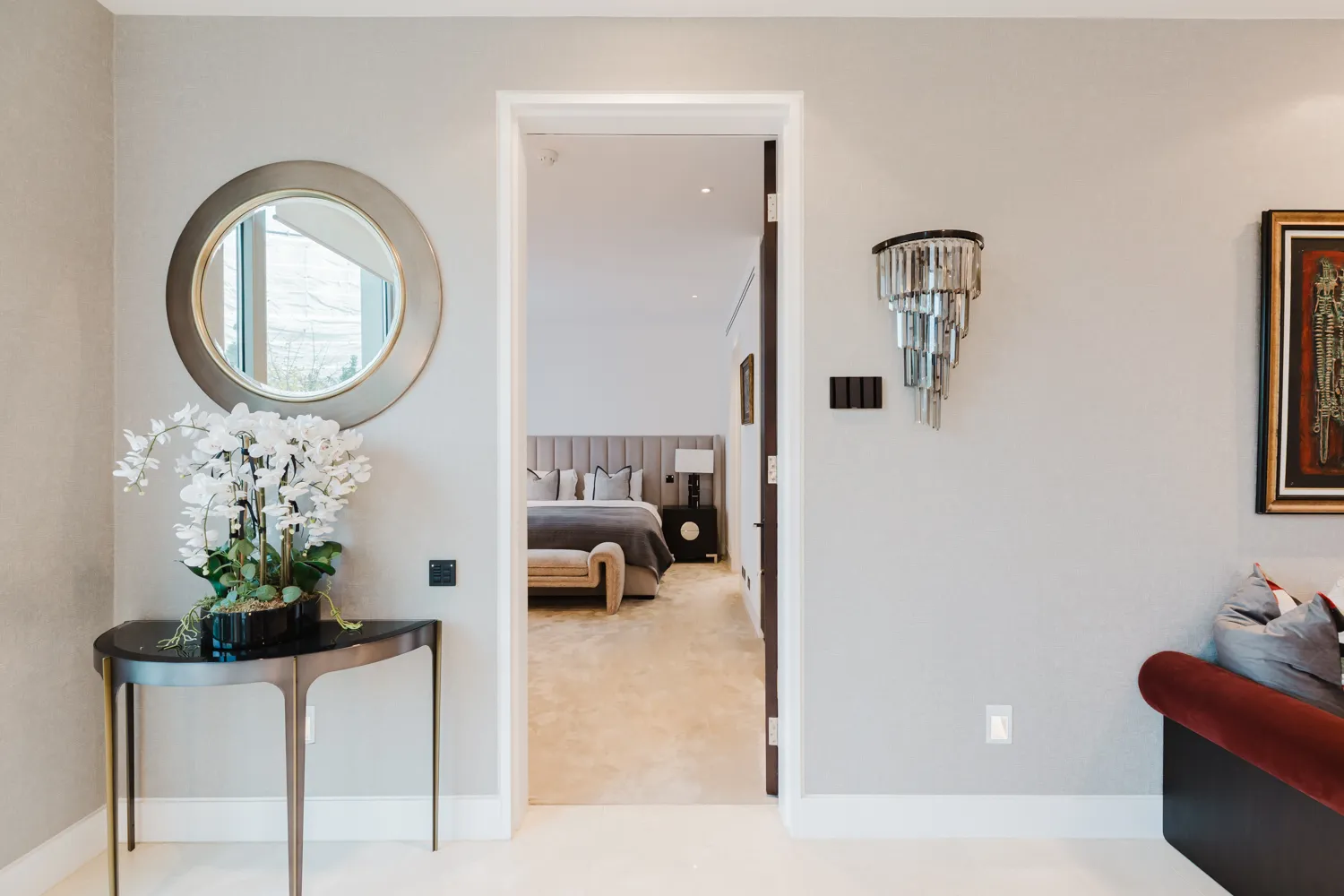
Home renovation is largely an exercise in managing uncertainty. A property can be surveyed carefully and the design fully agreed, while the work still depends on concealed conditions, existing services, product availability and several trades completing connected tasks in the correct order.
The renovation company matters most where the plan meets those realities. Its value lies in recognising dependencies early, responding intelligently when circumstances change and remaining accountable for the finished work.
Choosing one therefore requires more than comparing portfolios, reviews and headline prices. You need to establish what kind of company sits behind the website, what it actually understands and how far its responsibility continues after you appoint it.

First establish what kind of company you are appointing
“Renovation company” can describe very different businesses. One may design, specify, supply and manage the installation. Another may introduce the homeowner to an independent builder. A third may provide a design and leave procurement and construction to separate parties.
Before progressing, establish:
A matching service may help you find a contractor, although its responsibility may be limited by the terms of the introduction. The company presenting the project should be able to explain whether it remains contractually involved after that point.
Indesign designs, supplies and installs the agreed renovation, with our fitting teams managed by us. Responsibility continues through installation, handover and aftercare.
Experience is visible before work begins
A polished consultation can make a strong first impression. The substance lies in the questions being asked.
An experienced company will need to understand existing services, access, occupancy and the visible condition of the property. In a London flat, freeholder requirements, building management, working hours, lift protection and delivery routes may also affect the programme.
An in-person survey can replace many assumptions with observed information. It cannot reveal everything concealed beneath floors, tiles and walls. Technical proficiency includes recognising that limit and separating the inspected scope from conditions that remain unknown.
A company promising certainty over work it has neither seen nor tested is placing an assumption inside the price. Its proposal should make clear what has been inspected, what has been agreed and what remains concealed.
Renovation experience is revealed by what a company does when the property presents something the original plan could not account for.
Operational depth appears in the dependencies
A renovation programme is a chain of decisions. Kitchen cabinetry must correspond with appliances, service positions and the worktop specification. Bathroom brassware can affect wall construction and plumbing before the tiles are installed. Lighting positions may depend on furniture, mirrors and ceiling details.
Product supply creates another layer. A delayed item cannot always be replaced with something that merely looks similar. Dimensions, connections and installation parts may also need to match. The person approving a substitute needs enough technical understanding to see the wider consequence.
Across several rooms, these decisions compete for access, labour and programme time. The company needs a working view of the complete project rather than a collection of isolated trade bookings.
You can infer some of this capability from the company’s renovation process. Look for the points where designs are approved, products specified, site information gathered and responsibility carried into installation. A process made entirely of sales stages reveals little about how the renovation will be managed.
What happens when something changes?
This is where the difference between an introduction and a renovation service becomes material.
With separate designers, suppliers and builders, the homeowner may need to establish who should resolve a conflict between them. Where a platform has introduced an independent contractor, its commercial involvement may have ended before work began. The contract and terms should make this clear.
Ask who acts when a product arrives damaged, a specification proves unsuitable, a supplier is delayed or the installation reveals an unforeseen condition. Responsibility has practical value when there is an identifiable party required to respond.
When an unforeseen condition is discovered on an Indesign project, work stops in the affected area. The condition is recorded through photographs or video, explained to the client and priced as a fixed variation. Work resumes after written approval.
Client-led changes need the same clarity. The record should state what has changed, the cost and any effect on the programme. This gives the client a decision before further work is carried out and gives the project team one agreed instruction.
Citizens Advice recommends obtaining written quotations and contracts, checking insurance and agreeing additional work before paying more. Our guide to comparing renovation quotes in London covers scope, assumptions, exclusions and variation terms in more detail.
The same question applies after completion. Establish who inspects the work, closes outstanding items, holds the workmanship guarantee and assists with manufacturer claims for supplied products. Our assurance and aftercare page explains how Indesign handles this.
What can you verify before appointing the company?
No single badge, review or project photograph proves that a company can manage your renovation. Relevant completed projects, a survey-led process, a quotation connected to an agreed design and a documented route for changes provide stronger evidence when considered together.
Reviews are particularly useful when they describe how the company coordinated the work or resolved a problem. The finished appearance matters. How the company behaved when something became difficult reveals more about its operational depth. Our portfolio provides examples of completed Indesign projects across bathrooms, kitchens and full homes.
Use the discovery call to establish the delivery model and the route towards a defined project. Ask what information is needed before a fixed quotation can be issued, who manages installation, who you would contract with and how concealed conditions or product problems are handled. The representative should be able to answer in practical terms or involve the person who can.
Uncertainty cannot be eliminated from a substantial renovation. The choice is whether it will be recognised early, managed deliberately and carried by a company with enough technical and operational depth to act when the project changes.
If you are considering a complete internal renovation, explore our full home renovation service.
Planning a bathroom, kitchen or full home renovation in London? Book a complimentary 30-minute consultation to discuss the property, scope, timing and working figure.
Renovation experience is revealed through the management of uncertainty. Establish who holds the contract, who understands the technical dependencies, how changes are documented and who remains responsible during installation and after completion.
See related


Lets get started
We begin with a short call to understand your project.